
Coastal Interior Design —Without the Clichés
Let’s get one thing out of the way: coastal design is not a theme.
It’s not rope-wrapped mirrors, bowls of seashells, or anything that belongs in a souvenir shop. And if your home is along the water in Nantucket, on the Bay in LBI or along the Hudson River it deserves far more than that. Your Cape Cod home isn’t a “beach house this way” sign invitation.
True coastal design isn’t about telling people you live by the water.
It’s about creating a home that feels like it belongs there.
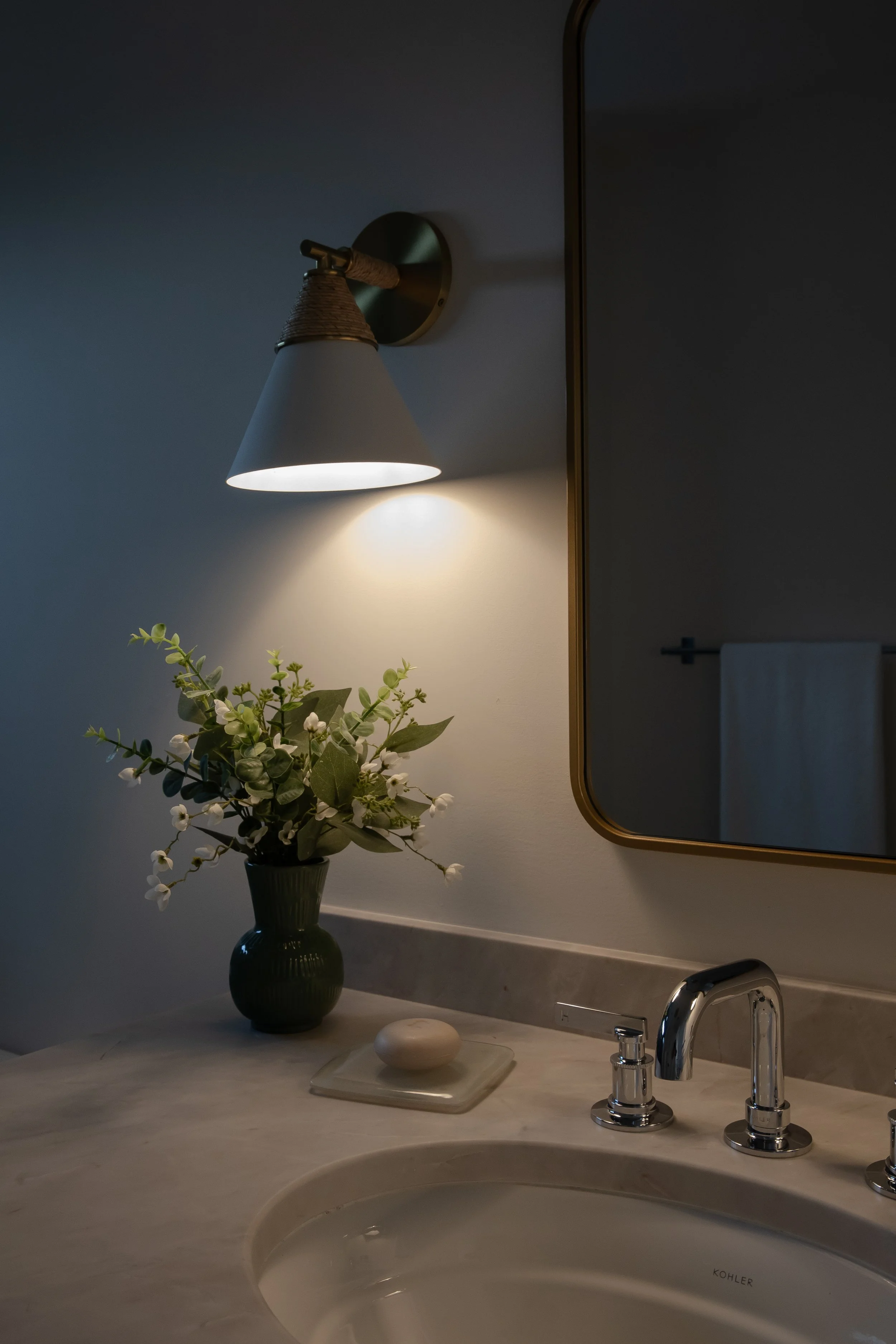
A coastal retreat ensuite
It Starts With Restraint, Not Decoration
The most elevated coastal homes don’t try too hard.
They aren’t layered with obvious references or over-styled moments. Instead, they rely on:
Clean architectural lines
A restrained palette
Materials that speak for themselves
Think less “beach house,” more edited, intentional, and quietly confident.
Because when the setting is this beautiful, the design should support it—not compete with it.
Texture Is Everything
If there’s one defining element of refined coastal interiors, it’s texture.
Not in a heavy or cluttered way—but in a way that creates depth without noise:
Linen upholstery that softens a space
Natural woods that bring warmth
Stone, plaster, and woven elements that add subtle variation
In homes along Cape Cod or Martha’s Vineyard, where light shifts throughout the day, texture becomes what gives a room dimension. It’s what keeps a neutral space from falling flat.
A Palette That Feels Collected, Not Contrived
Coastal doesn’t mean blue and white.
It means tones pulled from the environment:
Soft sands
Weathered grays
Warm whites
Muted greens
These palettes don’t shout—they settle. And that’s exactly the point.
The goal is a home that feels layered over time, not one that was designed around a single color story.
Where Most Coastal Design Goes Wrong
It leans too literal.
When every detail points back to “the beach,” the space starts to feel staged instead of lived in. And ironically, it loses the very ease it’s trying to create.
The most successful coastal interiors take a different approach:
They focus on how a space feels, not how it’s labeled.
The House of Huck Perspective
For us, coastal design is about balance.
It’s the interplay between:
Polished and relaxed
Structured and organic
Refined and livable
Whether we’re designing in Nantucket, renovating along the Connecticut shoreline or furnishing a summer home on Martha’s Vineyard, the goal is always the same:
A space that feels elevated, effortless, and deeply connected to its surroundings.
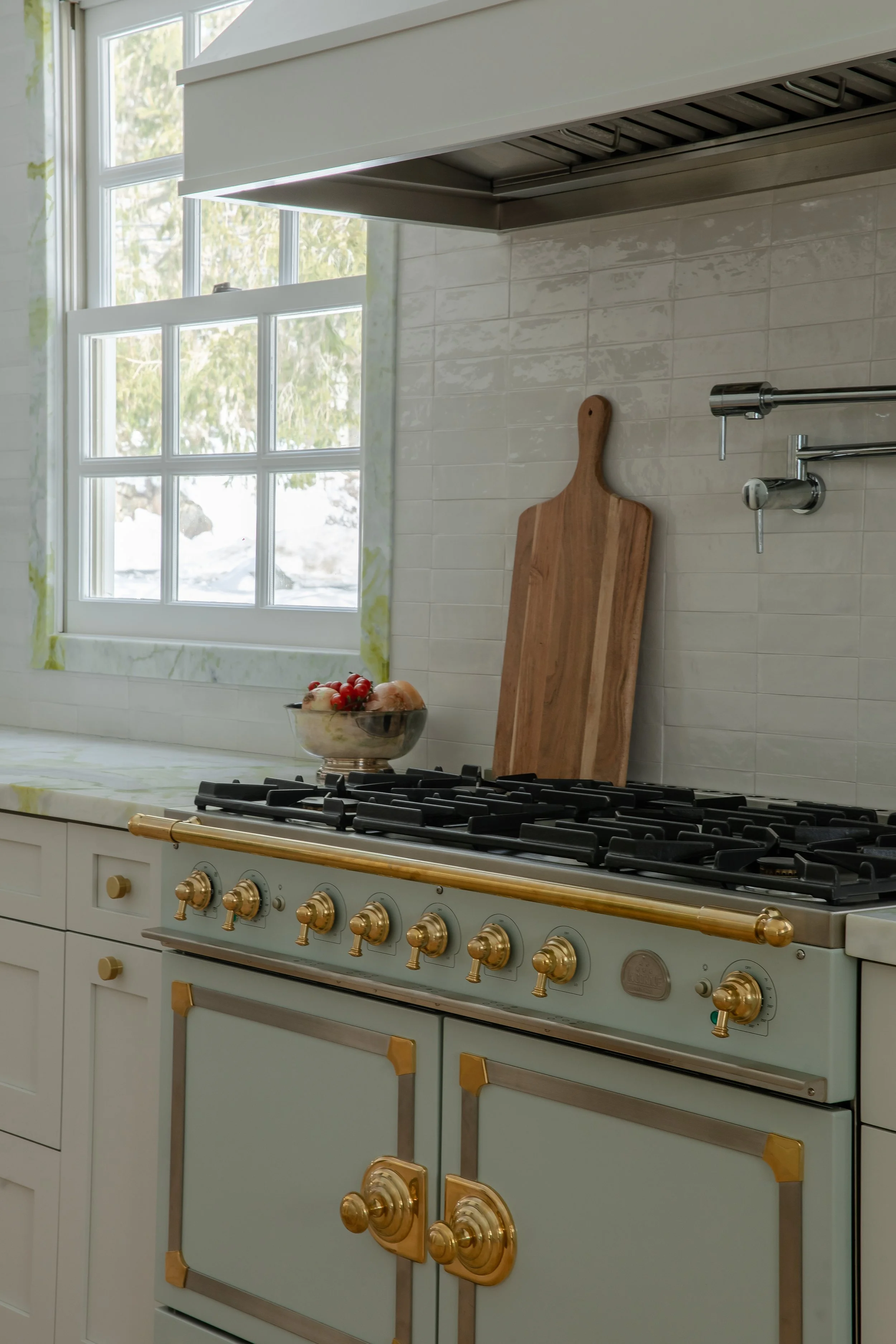
Crisp and clean coastal kitchen